2025 was the deadliest year for ICE detainees in more over two decades. As of March 18, 2026, KFF reported that 46 individuals have died in ICE custody or detention centers since the second Trump administration began. Of those, 32 had pre-existing medical issues, and their health deteriorated while detained. These were not people who had terminal illnesses and died while in captivity. They were people with treatable conditions who were refused care until it was too late.
At CripJustice, we identify what systems do to individuals. ICE custody causes people to become disabled, worsens pre-existing medical conditions, and kills. This is not incidental to how the system functions. It is the system performing perfectly as intended.
The Numbers
Since the Trump administration entered office, the number of deaths in ICE detention has jumped from 11 in 2024 to 33 in 2025. As of February 2026, ICE was holding over 68,000 persons, up over 70 percent from 39,000 at the end of the Biden administration. More individuals detained means more deaths. However, death rates are not just a function of numbers. They are the result of purposeful decisions concerning medical treatment.
36 individuals died while being detained by ICE for three months or less. There were 38 deaths among those under the age of 65. The detained population is predominantly young and healthy enough to survive the journey to the United States. What happened inside was what killed them.
Disability produced and ignored
The ACLU documented punishing conditions, enforced isolation, neglect of people with disabilities, and a lack of access to counsel at ICE facilities around the country. A November 2025 Disability Rights California report on the recently established California City ICE Processing Center, a former prison in the Mojave Desert run by CoreCivic, documented what this looks like on the ground.
Disability Rights California investigators found that nearly every detainee they met expressed serious disability-related concerns. One person with epilepsy went without seizure medication for several days. Another endured seven days without diabetic medicine, which left him feeling physically unstable, as well as without high blood pressure and migraine medication despite documented requests. One individual was given medicine to treat a mental health disability without being informed of what it was or why, and as a result, they experienced severe worsening of symptoms. Another’s scheduled surgery for a huge hernia was canceled when ICE relocated him to California City, leaving him in such much discomfort that he required assistance moving about the facility.
When people asked for help, employees threatened them with solitary imprisonment. A group of people were placed in segregation in retaliation for asking better medical treatment. The facility didn’t have a specialized disability accommodations specialist. For weeks, requests for wheelchairs and orthopedic footwear went unmet.
One inmate stated, “This is the worst medical care I’ve ever experienced,” to investigators. “It’s medical negligence and incompetence.”
This is the logic of carceral systems that we identify in every setting we discuss. Detention-induced disability is not considered a detention-related harm. It is treated as a management issue, a liability to be minimize, and a reason to transfer rather than treat.
A homicide, labeled a suicide
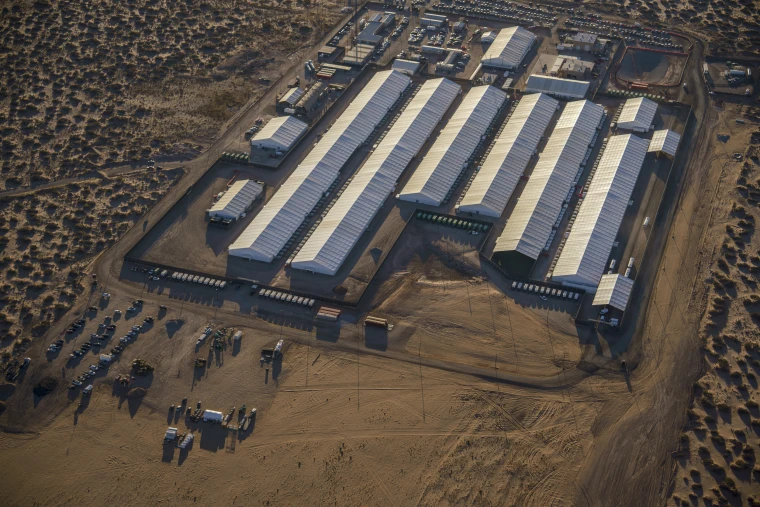
Geraldo Lunas Campos, a 55-year-old Cuban, died on January 3, 2026, at Texas’ Camp East Montana, the country’s biggest immigration detention facility. ICE first stated that he became disruptive while in line for medication and was placed in isolation. A medical examiner eventually declared his death a homicide. ICE subsequently changed its account, claiming that he attempted suicide. Nobody was held responsible. The facility maintained operating.
ICE stopped paying its medical providers
ICE stopped making payments to contractors providing medical treatment in its detention centers on October 3, 2025, and was unlikely to resume until the end of April 2026, despite the fact that the detained population continued to break records. Due to ICE’s refusal to pay, several medical providers refused to provide prisoners with services.
Read it again. ICE stopped paying the people who provided medical treatment to its detainees. While the number of detainees reached a record high. People were actively dying.
Oversight eliminated
Senator Ossoff’s investigation into human rights violations in US immigration detention received over 1,037 credible reports of abuse between January 20, 2025 and January 12, 2026, including 206 credible reports of medical neglect resulting in life-threatening injuries, 88 credible reports of physical and sexual abuse, and 139 credible reports of denial of adequate food or water.
The Trump administration then moved to ban unannounced congressional oversight visits, forcing lawmakers to provide a week’s notice before visiting detention centers. A week’s notice is plenty to clean a building and coach personnel. It’s not an oversight. It’s theater.
We reported on Roxsana Hernández, a 33-year-old transgender woman from Honduras who died in ICE detention in 2018 after being refused antiretroviral medicine for her HIV, confined in a very cold cell, and transported between facilities without care. ICE destroyed the surveillance footage. Nothing has changed.
Seven years later, the same facilities, run by the same private contractors, are causing the same deaths. The companies have different names. The mechanics are same.
What disability justice demands
The detention of people with disabilities in facilities that are unable or unwilling to provide adequate medical treatment is not a policy failure. It is a policy choice. Every death certificate that identifies a treatable condition as the reason of death is proof of that decision.
CripJustice advocates for independent medical oversight of all detention facilities with real consequences for violations, the end of private medical contracts with financial incentives to deny care, an automatic independent investigation into every death in custody with public findings, and the immediate release of people with serious medical and mental health conditions from immigration detention.
The 46 people who have died since January 2025 needed attention. The individuals who are now housed in those facilities deserve car. The current system is incapable of providing it, and reforming the conditions is not the answer. It is the end for them.
Sources:
US witnessed many ICE-related deaths in 2026. Here are their stories — Al Jazeera, January 27, 2026
U.S.-Mexico Border Update: Detention deaths, DHS appropriations — WOLA, January 2026
U.S. Immigration Detention Oversight Report — Senator Jon Ossoff, January 2026