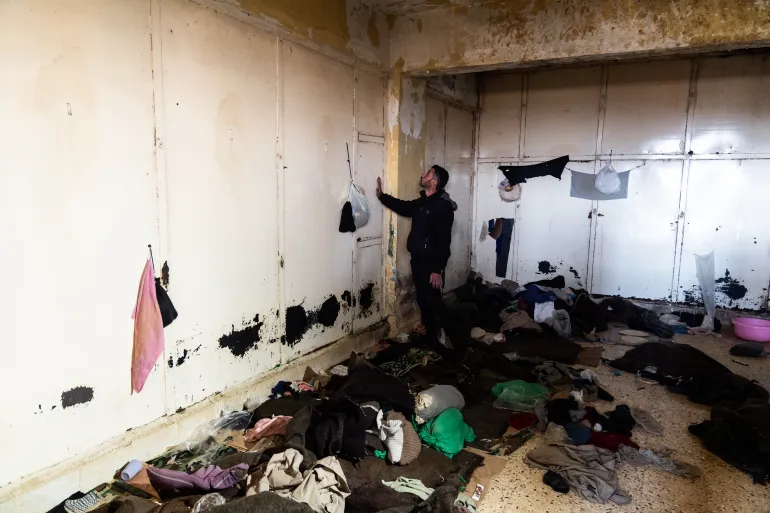
On December 8, 2024, as Bashar al-Assad’s government collapsed and opposition forces swept into Damascus, the gates of Sednaya Military Prison swung open. Approximately 4,300 detainees walked out. Some were overjoyed. Others were often confused, disoriented, and barely able to stand. Many had been inside for years. Some did not know what year it was, considering Hafez Al- Assad imprisoned them.
The World had watched the videos and then largely moved on.
Sednaya, located 30 kilometers north of Damascus, had been operated by the Assad regime since 1987. After the Syrian civil war began in 2011, it became what Amnesty International called a “human slaughterhouse.” According to a 2017 Amnesty study, up to 13,000 people were hanged there in five years. The Syrian Observatory for Human Rights estimates that 30,000 inmates have been killed at Sednaya since the civil war began. Mass executions were carried out in secret, without trials, with estimates indicating that the regime killed approximately 50 prisoners per week between 2011 and 2015.
The Survivors who had walked out in December carried that history with them. A UN Commission Report detailed horrifying stories of severe beatings, electric shocks, rape, mutilation, and long-term psychological and physical torture.
Torture does not end when the prison doors open. It lives in the body.
This is what disability justice asks us to understand. Incarceration-produced disability is real, it is widespread, and rarely treated as the harm it is. When a person emerges after years of isolation, starvation, and systematic abuse, they do not simply return to who they were. They suffer from chronic agony, PTSD, depression, psychosis, neurological damage, and physical injuries that may never completely heal. The carceral system intentionally creates these conditions and then abandons the people it has broken.
Six months after Assad’s removal, Amnesty International reported that Sednaya survivors are grappling with devastating physical and mental health impacts due to a fundamental lack of support. Survivor-led organizations have raised concerns about the major gaps in care, especially considering the large release of captives in December 2024.
The times of the funding collapse makes this matter worse. According to Muhammed Younes of Ta’afi, a survivor-led rehabilitation group said, “Right at the time that people were being released from detention centers, the funding stopped.” The organization had lost 60% of its funding due to the suspension of U.S. foreign aid, significantly reducing its ability to support survivors.
I want you to read that again. The doors opened. The funding stopped. Thousands of torture survivors poured into a country with a shattered healthcare system, and the international community pulled the money at the exact money it was needed the most.
Diab Serrih from the Association of Detainees and Missing Person of Sednaya said: “The general reduction in US and European funding will inevitably increase the suffering of victims. Mental health services in a post-conflict country are not a luxury… They are fundamental for the long-term recovery and reintegration of survivors.” Amnesty International revealed that survivors have been unable or struggling to obtain urgently needed medical care in a country where most of the healthcare system has collaposed. One survivors needed an MRI and couldn’t get it at the government hospital.
This is the pattern we repeatedly name at CripJustice. The state causes disability through incarceration and torture. Then it withdraws. The international community then expresses anger, produces reports and cuts the funding for organizations that are actually doing the work of keeping survivors alive.
Between March 2011 and December 2024, Syrian prisons held around 136,614 people, include 3,698 children and 8,504 women. Over 100,000 person are thought to have been forcibly dissapeared, the vast majority by government forces. Tens of thousands remain unaccounted for. Mass graves are still being discovered.
The Surviors of Sednaya are not a story that ended in December 2024. They are people living with the ongoing consequence of what was done to them, in a country trying to rebuild, with the organizations that support them running on empty.
What they need is not sympathy. It is fundingm medical care, mental health services, housing, accountability, and the reccognition to what wad done to them was more than just a political atrocity. It was a purposeful mass production of disability carried out for decades and the world owes them more than a viral video and a moment of shock.
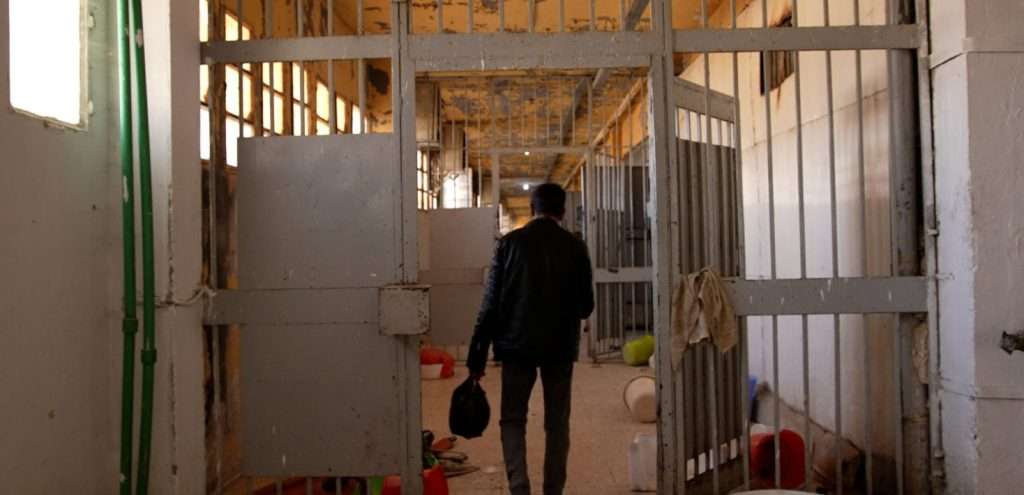
© Amnesty International/ Amanda Bailey